
VHPA as Incubator for Leaders and Organizations
Since its inception, VHPA has played a vital role in developing and nurturing future leaders and organizations dedicated to advancing the Hindu community. By cultivating an environment that encourages dialogue, mentorship, and mission-driven growth, it empowers individuals to lead by example and make a lasting impact. Through initiatives centered on learning, acceptance, and leadership development, VHPA equips leaders to strengthen the Hindu-American community while preserving its core values. Prominent organizations like Ekal Vidyalaya, Hindu University of America, and Hindu Student Council owe their beginnings to VHPA’s supportive efforts. These initiatives play a pivotal role in sustaining and enriching the community’s cultural and social fabric, creating a legacy that benefits future generations. The following section provides insights into these significant organizations, exploring their origins and contributions.
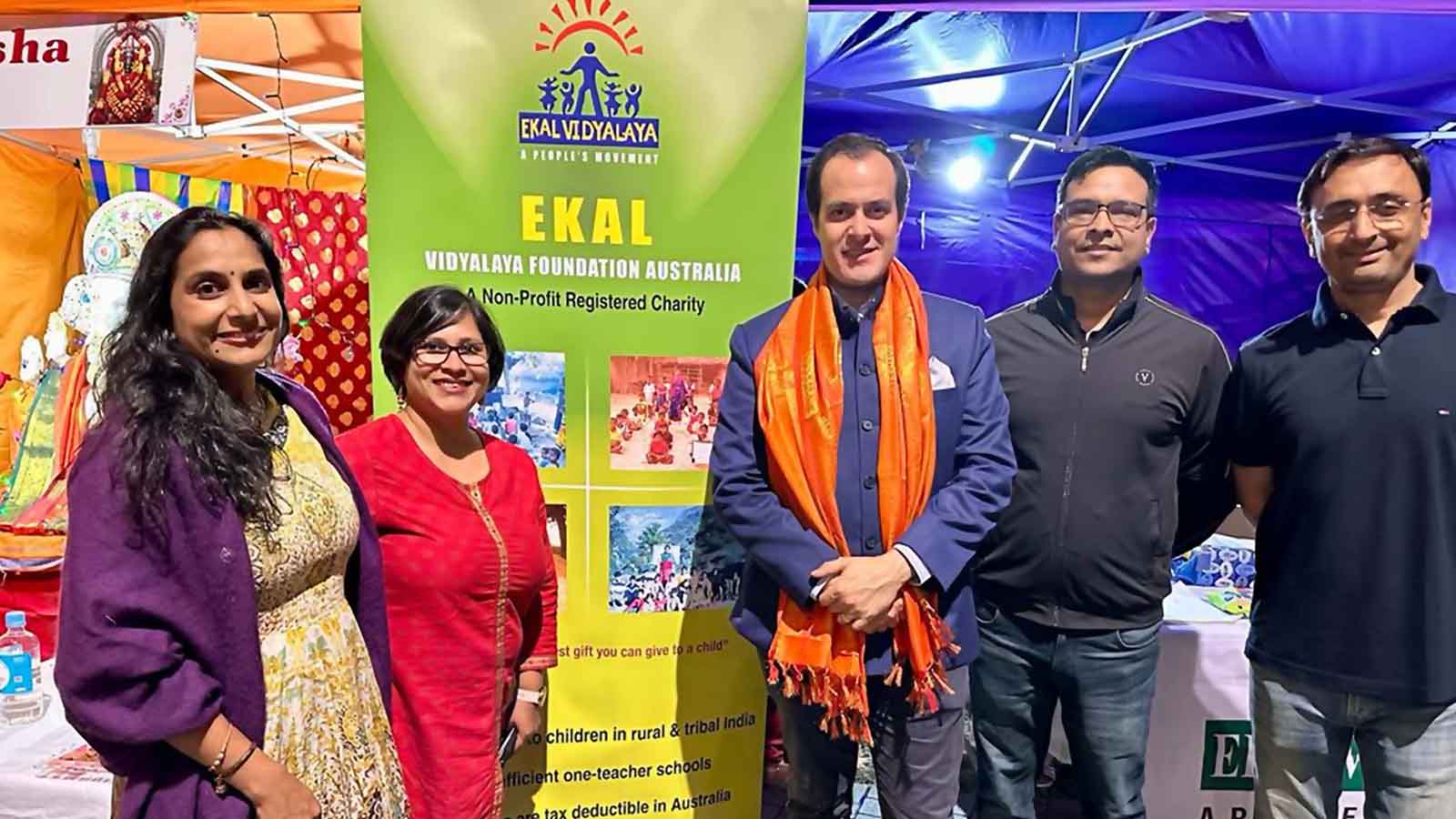
Ekal Vidyalaya Foundation
The Ekal Vidyalaya Foundation (EVF) traces its roots to the visionary efforts of Shri Madanlal Agarwala, a philanthropist from Bihar, who sought to uplift tribal communities in the region during the 1980s. His transformative journey began when he asked local residents how he could help improve their lives. Their poignant response” If you could educate our children and make them literate like you, we would be highly obliged”—sparked the idea of a literacy movement that would eventually become a global phenomenon. This noble vision was bolstered by the support of Sh. Ashok Singhal, a towering leader of Vishwa Hindu Parishad Bharat, whose leadership proved instrumental in nurturing the project during its formative years.
With Ashok Singhal ji’s guidance, VHPA took this concept and integrated it into its broader mission of serving the underserved. As an organization deeply committed to cultural preservation and social welfare, VHPA provided a robust platform for the development of what came to be known as the “One-Teacher School” project.
By the late 1980s, the “One-Teacher School” project had firmly established itself within the Vishwa Hindu Parishad of America (VHPA). Recognizing the need for an independent platform to foster its growth, the project transitioned into an autonomous, tax-exempt organization. In 1999, it was renamed to Ekal Vidyalaya Foundation (EVF). This transformation was guided by VHPA’s leadership, rooted in a deep ethos of service and commitment to societal upliftment. Their vision and support were instrumental in launching EVF as a standalone entity with a singular mission to empower India’s rural and tribal communities.
Ekal Vidyalaya found inspiration in the teachings of Swami Vivekananda, who famously emphasized that a nation’s progress is directly proportional to the education and intelligence of its people. Adopting this principle, EVF dedicated itself to bringing education to the doorsteps of underserved and remote communities. Its innovative “One-Teacher School” model, designed to maximize impact with minimal resources, provided literacy to groups of 35-40 children for just one dollar a day. These schools bridged the gap for communities without access to conventional infrastructure, while addressing broader socio-economic challenges.
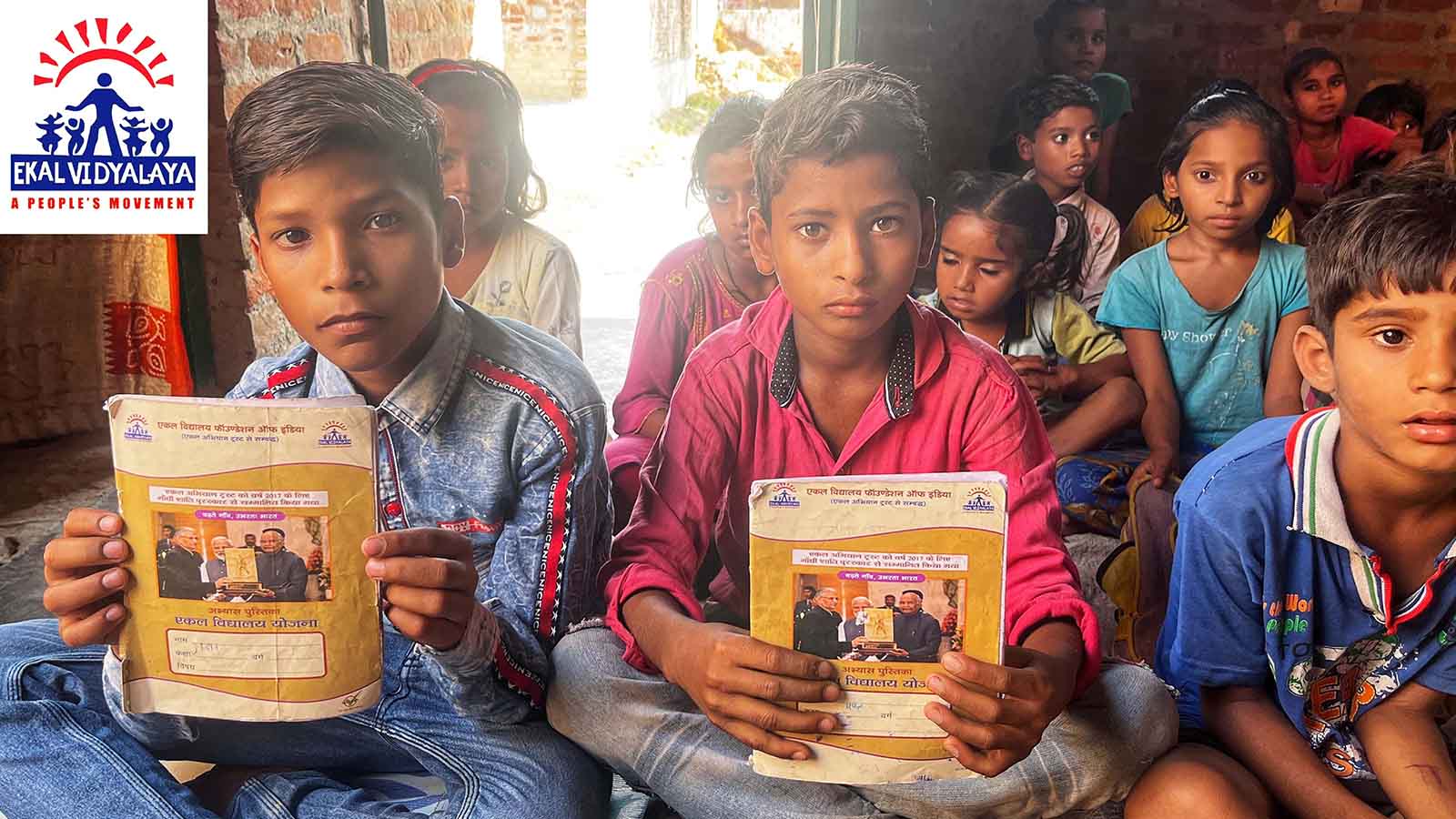
VHPA’s support and its strong network in the Indian diaspora played a critical role in scaling Ekal’s operations. Indian Americans, driven by a desire to give back to their homeland, embraced the project wholeheartedly. Fundraising events, including concerts, galas, and youth-led initiatives, became effective tools to generate resources and raise awareness about Ekal’s mission. This partnership catalyzed Ekal’s growth, turning it into a transformative force for rural education and development.
By the end of 2024, Ekal had established over 78,000 schools across India, serving more than 2 million children annually. Over its 35-year journey, the foundation has provided literacy to 10 million children, expanded healthcare access to 855,000 individuals, and vocationally trained 17,400 women.
As the needs of rural communities evolved, so did Ekal’s programs. Digital literacy became a key focus, bridging the technological divide in remote areas. Initiatives like “Ekal-on-Wheels,” featuring mobile vans equipped with computers, provided digital training to thousands of youths. The use of solar-powered transmission towers and tablets further enhanced the reach and quality of education. These efforts earned Ekal the “Digital Trailblazer Award” from Hewlett Packard and India Today in 2016, recognizing its pioneering role in rural digital education.
Healthcare emerged as another cornerstone of Ekal’s mission. Supported by the Health Foundation for Rural India (HFRI), Ekal introduced mobile eye clinics, anemia eradication programs, and other health initiatives that significantly improved the quality of life for underserved populations. Additionally, Ekal’s integrated village development programs promoted water conservation, organic farming, and cottage industries, empowering rural families to achieve economic self-sufficiency.
During the COVID-19 pandemic, the organization undertook a comprehensive campaign to support rural communities by distributing food packets, facilitating vaccinations, and providing accurate information about the virus. Similarly, following the devastating earthquake in Nepal, Ekal mobilized resources to deliver medical aid, shelter, and food to those affected. These efforts highlighted Ekal’s ability to respond swiftly and effectively to emergencies.
Ekal’s impact extends beyond India, establishing itself as a global grassroots movement with chapters in countries such as the United States, the United Kingdom, Canada, and Australia. These chapters work tirelessly to advocate for Ekal’s mission and raise funds, ensuring the movement’s sustainability and growth. Despite its extensive operations, Ekal maintains an impressive overhead of only 10%, ensuring that the majority of donations directly benefit the communities it serves.
The foundation’s achievements have been widely recognized. In 2019, Ekal received the prestigious “Mahatma Gandhi Peace Prize,” India’s highest honor for social organizations. This award, conferred by the Indian President and Prime Minister, acknowledged Ekal’s contributions to empowering rural communities and promoting gender equality. The honor reaffirmed Ekal’s alignment with Mahatma Gandhi’s vision of Gram Swaraj.
Ekal’s roots in VHPA remain central to its ethos and mission. The values of service, dedication, and sacrifice instilled during its formative years continue to guide its operations. The guidance and vision of VHPA leaders were instrumental in shaping Ekal into a transformative movement that empowers millions.
Looking ahead, Ekal remains steadfast in its commitment to education, healthcare, and sustainable development. By empowering rural communities to break the cycle of poverty and achieve self-reliance, Ekal is not only fulfilling Swami Vivekananda’s vision but also creating a brighter future for India’s villages.
Hindu University of America
“Multitude of serious and sincere seekers of truth are knocking at our doors. We cannot disappoint them, keeping our doors closed. We will have to open our doors and accord a hearty welcome.” These visionary words of Swami Tilak (1929–1984) encapsulated his aspiration for the proper representation of Sanatana Dharma in Western academia. Swami Tilak’s vision inspired the establishment of a Hindu University in America, but unfortunately, he did not live to see his dream realized. His untimely passing in a car accident in Spain in 1984 left a void in the effort to establish such an institution, but his ideals endured in the minds of like-minded leaders.
Five years after Swami Tilak’s passing, the dream took a definitive shape. In 1989, four prominent leaders—Dr. Deen Dayal Khandelwal, Shri Abhinav Dwivedi, Dr. Mahesh Mehta, and Dr. Ram Prakash Agarwal—came together to found the Hindu University of America (HUA) in Florida as a 501(c)(3) non-profit corporation. All four founders were key members of the Vishwa Hindu Parishad of America (VHPA), and their commitment to the ideals of Sanatana Dharma and education formed the foundation of this institution. Dr. Mahesh Mehta, a critical figure in VHPA’s Education Committee, played an especially pivotal role in this effort.
The vision of the founders was realized incrementally. It took four years of rigorous effort to secure official authorization from the State of Florida to function as a degree-granting university. In 1993, HUA received authorization to operate as a religious institution, exempt from governmental oversight, through a letter issued by the Commission for Independent Education (CIE), Florida Department of Education. This milestone allowed HUA to formally position itself as a center for the academic study of Hinduism and Sanatana Dharma.
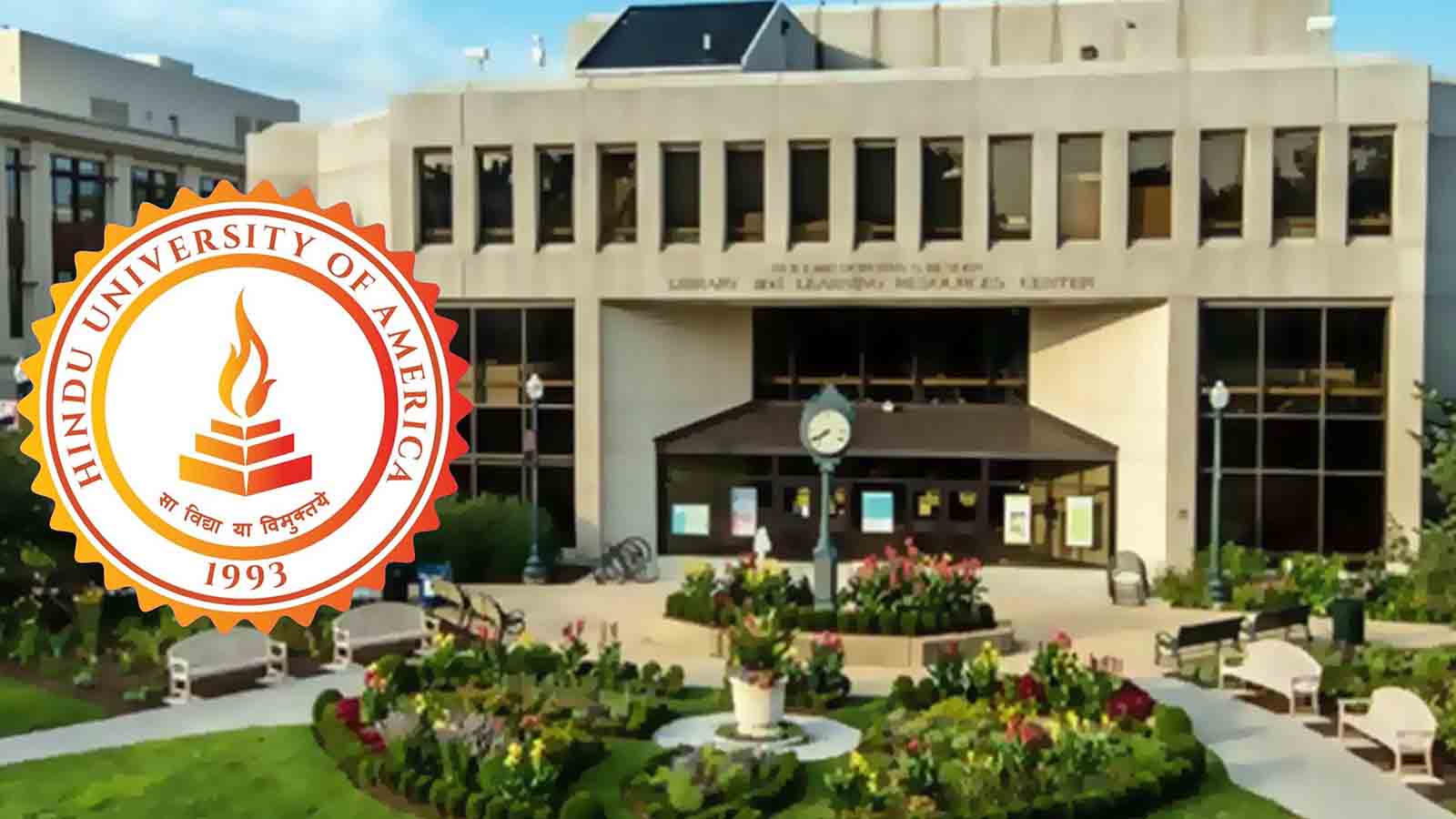
Initially, HUA functioned by organizing events and seminars rather than offering formal classes. However, the acquisition of a 9-acre campus in Orlando, Florida, in 2001 marked a turning point. This significant development was made possible by the generosity of Brahma Ratan Agarwal, the university’s principal benefactor, for over two decades. The campus expanded further in 2002 with the donation of an additional 2.5 acres of land by Edith and Robert Grimm. With a permanent base established, HUA began offering regular classes and introduced a range of academic programs.
In 2003, Professor Kuldip C. Gupta, a distinguished academic from the University of Colorado, took over as the president of HUA. Leaving behind a successful career in electrical engineering, he brought stability, focus, and growth to the institution during its formative years. Under his leadership, HUA saw steady growth in its faculty and student population. Tragically, Professor Gupta passed away unexpectedly in 2007, leaving the university at a crossroads.
Despite efforts to identify suitable leadership and secure the necessary resources, HUA faced challenges in finding the right configuration to propel it forward. The situation remained uncertain until 2018, when a rejuvenation effort began to take shape under the guidance of Dharma Civilization Foundation, a Los Angeles-based non-profit deeply invested in promoting the academic study of Hinduism. This effort brought together Hindu leaders and academics committed to revitalizing HUA, steering it towards becoming a modern online university led by Shri Kalyan Viswanathan.
The late Swami Dayananda Saraswati, founder of the Arsha Vidya Gurukulam and convener of the Hindu Dharma Acharya Sabha, had been a strong proponent of HUA’s potential. He emphasized the need for a formal academic institution dedicated to the authentic study of Hindu texts and traditions. Swami Dayananda Saraswati remarked, “The systematic study of the timeless wisdom in Hindu Dharma’s core texts, in a formal academic setting, is vitally important. The promotion of the authentic interpretation of the texts is critical for ensuring that misrepresentations and erroneous understanding do not become authoritative.” His vision underscored the importance of HUA as an institution modeled after historic centers of learning like Nalanda and Takshashila.
The consistent support of VHPA, with its committed members and leadership, has been instrumental in HUA’s journey. From its inception to its current status as an online university, HUA has remained a flagship institution in the Hindu ecosystem. Its programs cater to a global audience, offering an academic platform for the study of Sanatana Dharma and its enduring wisdom.
HUA today stands as a testament to the vision of its founders, the generosity of its benefactors, and the collective dedication of those who believed in its mission. As it continues to evolve, it carries forward the ideals of Swami Tilak, Swami Dayananda Saraswati, and its pioneering leaders, fostering the authentic transmission of Hindu knowledge and culture in the modern world.
Hindu Students Council
The Hindu Students Council (HSC) traces its origins back to 1984, emerging from a need to unite Hindu students in the United States under a common platform. At that time, there were approximately 8,000 Hindu students in the country, a mix of international students pursuing higher education and children of immigrants who had arrived following changes to U.S. immigration laws in 1965. Unlike other faith-based student organizations that existed nationally, such as those for Baptist, Catholic, Jewish, and Muslim students, Hindu students lacked a centralized organization. Recognizing this gap, a proposal was made at a Hindu conference organized by a prominent diaspora organization to establish a student group focused on Hindu identity and community building.
The idea resonated with the conference organizers, who had a history of engaging youth through initiatives like cultural summer camps, youth conferences, and educational programs. Establishing a student organization was a natural next step to foster community and spiritual awareness among college-aged Hindus. With support from the organizers, plans for a “Hindu Students Federation” were initiated, marking the early steps toward the creation of HSC.
The concept gained further clarity in 1987 when a strategy was outlined during a governing council meeting of the diaspora organization. The same year, the first Hindu college student conference was organized in Atlanta, bringing together 22 students from 11 universities. This conference laid the groundwork for what would eventually become HSC. Over the next few years, the organization began to solidify its structure and goals, focusing on nurturing Hindu identity and addressing the unique challenges faced by Hindu students in the U.S.
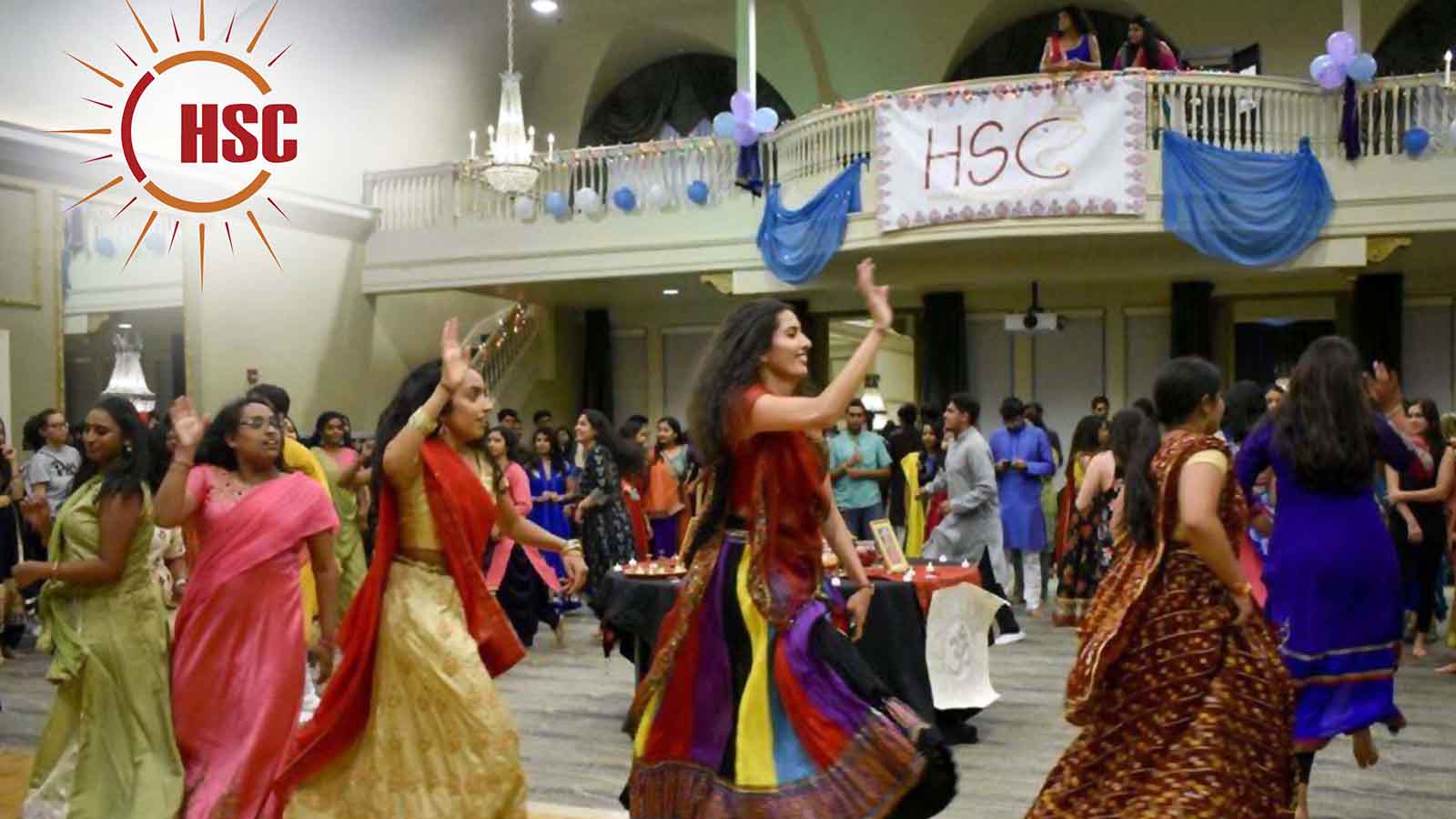
By 1990, HSC had hosted its first national camp in New Jersey, attracting 35 students from across the country. These camps quickly became an integral part of HSC’s activities. They provided students with opportunities to engage with Hindu philosophy, history, and culture while creating a sense of camaraderie and shared purpose. The organization also introduced programs to celebrate Hindu festivals on campuses, counter misinformation and Hinduphobia, and advocate for environmental consciousness rooted in Hindu principles.
HSC’s influence began to extend beyond the U.S., inspiring similar organizations in other countries. Students from the United Kingdom, for instance, attended HSC’s annual camps and later established the National Hindu Students Federation (NHSF) in the UK. Likewise, groups in Canada, South Africa, and other nations followed suit, creating a global network of Hindu student organizations connected through shared values and objectives.
In the early 1990s, HSC co-hosted a Global Youth Conference in Washington, D.C., as part of a larger event commemorating the centenary of Swami Vivekananda’s speech at the Parliament of World Religions. Attended by 2,400 students, the conference underscored the growing reach and significance of HSC in uniting Hindu youth. Throughout the 1990s, HSC also undertook cultural and patriotic initiatives, such as celebrating the 50th anniversary of India’s independence in 1997.
The new millennium saw HSC evolve into an independent nonprofit organization, further expanding its reach and capabilities. In 2003, the organization hosted the Global Dharma Conference, which drew 2,000 attendees from around the world. The event, co-sponsored by various Hindu youth groups, highlighted HSC’s ability to bring together diverse organizations under a shared mission. The conference served as a platform to discuss dharma, address global challenges, and strengthen ties among Hindu youth.
Today, HSC operates several dozen chapters across universities and has expanded its efforts to high schools, engaging a younger audience in understanding and celebrating their cultural and spiritual heritage. The organization’s programs continue to emphasize the importance of Hindu values, the celebration of festivals, and the promotion of awareness about challenges such as Hinduphobia. HSC also fosters leadership among its members, many of whom have gone on to establish or lead other Hindu advocacy and community organizations.
A guiding vision for HSC was articulated in the mid-1990s, emphasizing the exploration and expression of Hindu dharma, recognition and confrontation of anti-Hindu narratives, alignment with supportive groups, and the creation of a global network of inspired students. This vision also included cultivating selfless service, spiritual growth through yoga, and a commitment to ethical living. Decades later, these principles remain at the core of HSC’s mission, shaping the organization’s programs and inspiring its members.
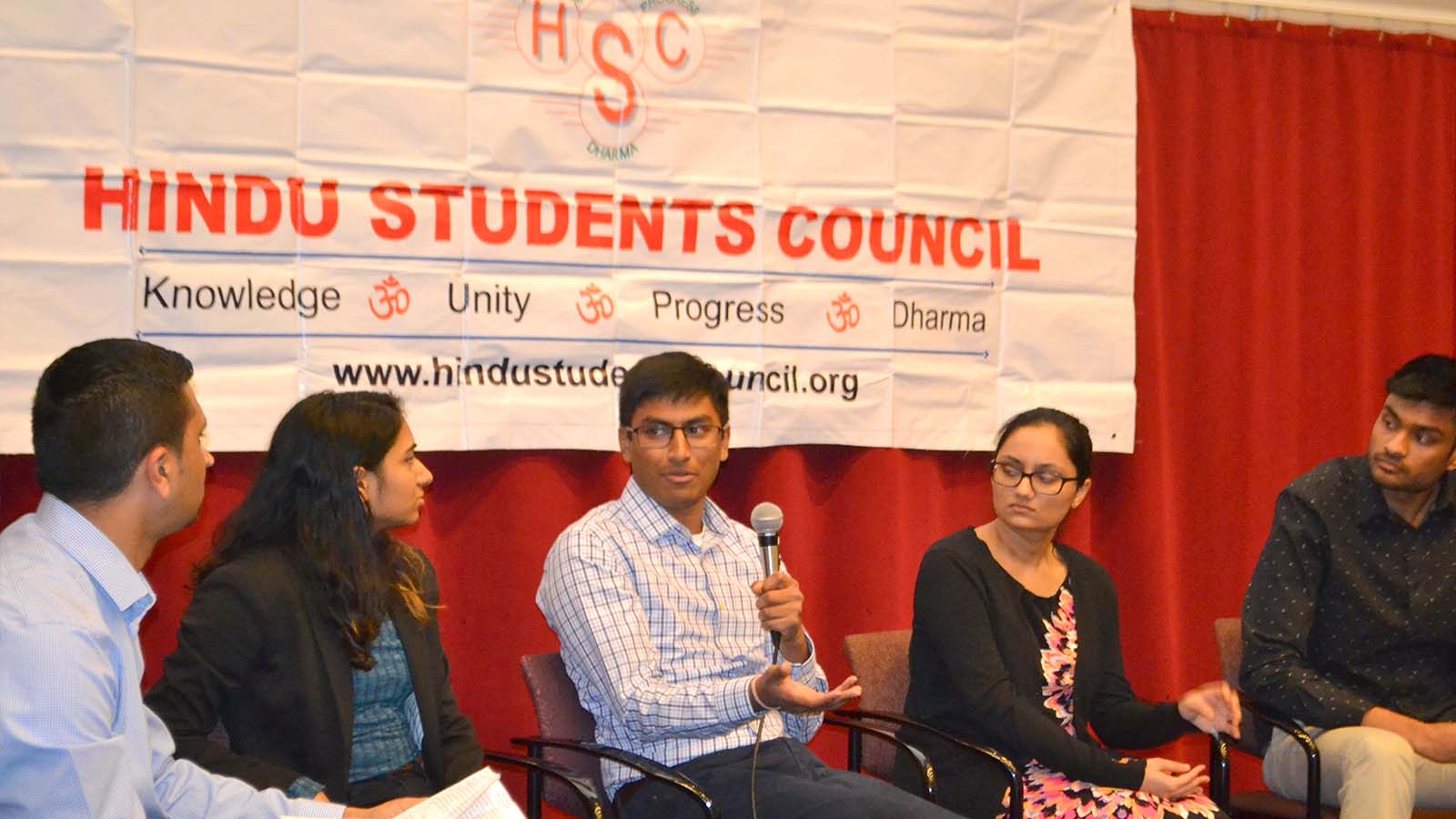
The impact of HSC extends far beyond its programs and events. It has nurtured a generation of leaders who continue to contribute to the global Hindu community. By fostering awareness, unity, and leadership among Hindu youth, HSC has created a foundation for continued growth and influence. Its role as a bridge between tradition and modernity ensures that Hindu students remain connected to their roots while actively participating in contemporary global conversations.
As HSC looks to the future, it remains committed to its founding ideals. With a growing network of chapters and an expanding reach into high schools, the organization is poised to inspire new generations of Hindu students. Its emphasis on cultural pride, spiritual growth, and community service ensures that it will continue to resonate with youth across the globe for years to come.
VHPA and Advocacy
Early Hindu immigrants to the U.S. faced hostility with headlines like “Hindu Hoards Invading the State.” While figures like Swami Vivekananda introduced Hindu philosophy to elites, mainstream perceptions remained distorted. Misrepresentation often escalated to violence, as seen in 1987 when Navroz Mody was murdered by a gang targeting Indian immigrants.
Hostility towards Hindus is not a recent phenomenon; its origins can be traced back to India’s 1,000-year colonial history. Colonizers systematically sought to undermine Hindu culture and values by misrepresenting and demeaning Hindu symbols, deities, and traditions, often stripping them of their sacred significance. In India, sacred imagery was inappropriately commercialized, such as the use of Lord Ganesha to advertise Mangalore Ganesh Beedi, a tobacco product. Similarly, in the West, Hindu culture was trivialized in films like The Party (1970s Hollywood) and Hare Rama Hare Krishna (Bollywood). This prolonged cultural distortion contributed to a widespread desensitization among Hindus, allowing misrepresentations and stereotypes—such as depictions of Hindus as cow worshipers, snake charmers, or exotic curiosities—to become deeply ingrained in popular perception.
At an early stage in its establishment, the VHPA recognized the pressing need to address the increasing hostility and misrepresentation of Hindu culture and symbols, along with their impact on the Hindu American community. In response, the organization undertook a concerted effort to counter these challenges effectively. With the advent of digital platforms in the 1990s, VHPA leveraged the internet’s potential by launching Hindunet, which is considered to be the world’s first Hindu website. This pioneering initiative sought to unite and engage the global Hindu community, facilitating dialogue, raising awareness, and promoting solidarity in the preservation and defense of Hindu traditions and values. Hindunet quickly grew into a thriving virtual community, attracting over 200,000 daily visitors. Building on this momentum, VHPA established American Hindus Against Defamation (AHAD) in 1997 to confront the increasing misuse of Hindu symbols, icons, and cultural elements.
AHAD’s inaugural campaign targeted Sony Music’s Nine Lives album, which featured a distorted image of Lord Krishna. Following organized protests and extensive outreach, Sony replaced the album cover within weeks. This success set the tone for AHAD’s future initiatives. The organization led campaigns against a Chicago bar that misused Hindu themes, halted the sale of slippers and toilet seats featuring Hindu deities, and convinced Warner Brothers to remove an inappropriately used Bhagavad Gita shloka from Eyes Wide Shut. AHAD also countered CNN’s Believer series, which falsely implied that cannibalism was an accepted Hindu practice.
AHAD categorizes offenders into three groups: those acting out of ignorance, addressed through education; cases of commercial exploitation, such as an Australian ad showing Lord Ganesha eating lamb, which AHAD successfully protested; and malicious actors, including academics and media distorting Hindu traditions, exemplified by the Dismantling Global Hindutva conference and Kali’s Child. Further, AHAD collaborated with Jewish organizations to co-publish educational materials differentiating the sacred swastika from the Nazi Hakenkreuz. The organization also raised awareness about the sanctity of cows and the cultural significance of the bindi, contributing to the protection of Hindu children from bullying and fostering greater cultural understanding.
Addressing Anti-Hindu Bias
AHAD’s awareness campaigns and strategic interventions have proven effective in curbing the misuse of Hindu symbols in commercial products. However, over the past decade, hostility towards Hindus has evolved into more pervasive and aggressive forms. Hindus increasingly encounter bias, prejudice, and misrepresentation across various spheres, including educational institutions, workplaces, media, academia, and public life. Disturbingly, such negativity is often tolerated, excused, or even encouraged in spaces ranging from scholarly discourse to local communities. Actions and rhetoric that would typically be deemed discriminatory or unacceptable when directed at other communities are frequently overlooked when aimed at Hindus. Paradoxically, as the Hindu voice has gained prominence on the global stage in recent years, expressions of bias against Hindus and their traditions have also intensified.
In response to this growing wave of misinformation and prejudice targeting the Hindu American community, the VHPA introduced several initiatives in 2020. Among them are ‘HinduPACT’ and ‘Stop Hindudvesha,’ aimed at addressing these challenges. HinduPACT, an acronym for ‘Hindu Policy Research and Advocacy Collective USA,’ is a multifaceted initiative designed to “identify and influence issues of interest to Hindus at all levels, train Hindus for grassroots advocacy, and create internship opportunities for Hindu youth.” The initiative comprises several interrelated components, including:
Hindu Lounge, a weekly live call-in program discussing contemporary Hindu issues in America.
CHINGARI (The Coalition for Hindu Girls and Their Rights), which raises global awareness about the atrocities faced by Hindu girls, particularly in Pakistan.
HinduVote, an online guide providing Hindu voters in the U.S. with resources to evaluate candidates from a Hindu perspective and make informed electoral decisions.
Additionally, pre-existing advocacy initiatives such as HinduNet and AHAD have been integrated into the HinduPACT framework, consolidating efforts to combat bias and promote Hindu interests effectively.
While HinduPACT was established as an advocacy initiative, the ‘Stop Hindudvesha’ program was specifically designed to educate the broader Hindu community about the increasing negativity surrounding their identity and traditions. The initiative commenced with a series of webinars that explored how the colonial-era efforts to distort the Hindu civilizational narrative have evolved into contemporary anti-Hindu rhetoric. Although commonly referred to as Hinduphobia, the program deliberately adopted the term ‘Hindudvesha,’ a Sanskrit expression that conveys a systematic aversion and hostility towards Hindu traditions and values, aimed at undermining the richness of Hindu heritage.
The ‘Stop Hindudvesha’ initiative rapidly expanded to encompass the publication of well-researched articles, interviews with subject matter experts, and the organization of large-scale conferences in both online and in-person formats. Notably, in 2021, it hosted a seven-day online conference under the theme ‘Hindu Dharma, Hindutva, and Hindudvesha,’ followed by a one-day international conference in New Delhi, India, in 2023, titled ‘Understanding Hindudvesha in the Globalizing World.’
Within a relatively short span of five years, the initiative has developed an extensive repository of knowledge, comprising over 500 articles, hundreds of videos, audiobooks, and opinion pieces. ‘Stop Hindudvesha’ aims to position itself as a premier platform for research and discourse on the subject, offering comprehensive insights into the evolving challenges faced by the Hindu community globally.
Balancing Tradition and Advocacy
Despite its numerous educational and advocacy initiatives over the years, VHPA has maintained a cautious approach towards deep involvement in direct advocacy efforts. The organization primarily perceives its role as one centered on cultural development (Sanskar), service (Seva), raising awareness (Prachar), and networking (Sampark), deliberately choosing to focus on these areas while consciously stepping back from active political engagement. As a result, VHPA has intentionally relinquished the advocacy space to other organizations that have since taken up the mantle of representing Hindu interests in the public sphere.

This deliberate approach is reflected in the emergence of several leading Hindu advocacy organizations in the U.S., including the Hindu American Foundation (HAF), the Coalition of Hindus of North America (CoHNA), and HinduAction—all of which have roots in VHPA. Notably, a founding member of HAF was formerly a prominent figure in the Hindu Students Council (HSC), a VHPA initiative, while key leaders of CoHNA also trace their origins to HSC. These organizations were established largely because VHPA chose to prioritize its core mission of cultural and educational initiatives rather than actively pursuing direct advocacy efforts.
HinduAction, in particular, emerged from VHPA’s HinduPACT initiative after ideological constraints within VHPA appeared to limit its operational flexibility. Similarly, recognizing the need for HinduPACT to expand beyond its organizational limitations, VHPA made a strategic decision in 2025 to spin off HinduPACT as an independent organization, allowing it the freedom to grow into a more robust and effective advocacy platform. This decision underscores VHPA’s commitment to enabling dedicated advocacy efforts while staying true to its foundational objectives of promoting Hindu culture and values through education and service.
Concluding Remarks
The Vishwa Hindu Parishad of America (VHPA) has played a pivotal role in the preservation and promotion of Hindu culture and values in the United States for over five decades. Since its establishment in 1970, VHPA has remained steadfast in its mission to nurture Hindu identity through education (Sanskar), service (Seva), cultural awareness (Prachar), and community networking (Sampark). These foundational pillars have guided the organization’s efforts in fostering a strong, cohesive Hindu-American community while encouraging active engagement with the broader society.
Throughout its journey, VHPA has prioritized cultural preservation and education over direct political activism. This deliberate focus has enabled the organization to channel its resources into initiatives that strengthen cultural identity and unity among Hindu Americans. Programs such as Bal Vihars, youth leadership camps, and seva initiatives have not only helped Hindu families stay connected to their heritage but have also empowered the younger generations to take pride in their cultural roots while contributing to American society. VHPA’s commitment to seva, reflected in numerous humanitarian projects, has further established it as an organization dedicated to the welfare of society at large.
Despite its many advocacy initiatives, VHPA has consciously chosen to step back from direct advocacy efforts, instead allowing other organizations to fill this space. Over the years, several prominent Hindu advocacy groups in the United States, including the Hindu American Foundation (HAF), the Coalition of Hindus of North America (CoHNA), and HinduAction, have emerged from within VHPA’s ecosystem. The leadership of these organizations can be traced back to VHPA initiatives such as the Hindu Students Council (HSC), which provided a foundation for young Hindu leaders to engage in advocacy and representation. By focusing on cultural empowerment rather than political engagement, VHPA has enabled these organizations to take on the mantle of advocacy while remaining true to its core mission of education and service.
One notable example of VHPA’s strategic approach is the evolution of HinduPACT, originally launched as a VHPA initiative in 2020 to address growing anti-Hindu sentiment and promote grassroots advocacy. However, recognizing the need for greater operational flexibility and a dedicated focus on advocacy, VHPA made the strategic decision in 2025 to transition HinduPACT into an independent organization. This move reflects VHPA’s commitment to enabling specialized initiatives to flourish without being constrained by the broader organizational framework. Similarly, HinduAction, which emerged from the HinduPACT initiative, gained independence after VHPA’s ideological boundaries were perceived to limit its scope.
As VHPA looks to the future, it remains committed to its founding vision of fostering a dynamic and vibrant Hindu society inspired by the eternal values of Dharma and the principle of Vasudhaiva Kutumbakam—the idea that the world is one family. The organization’s focus on cultural enrichment, community engagement, and youth empowerment continues to resonate with the Hindu-American diaspora, providing a sense of belonging and purpose in an increasingly globalized world.
With a strong legacy of service and cultural preservation, VHPA stands poised to guide the next generation of Hindu Americans, ensuring that Hindu values and traditions are upheld and adapted to contemporary challenges. As it continues to evolve, VHPA remains a beacon of unity, offering a platform for individuals to connect with their heritage while actively contributing to the larger society.
धर्मो रक्षति रक्षितः
“Dharma protects those who uphold it”

![[ India Today ] Ohio senator JD Vance thanks wife, a Hindu, for helping him find Christian faith](https://hinduvishwa.org/wp-content/uploads/2024/06/us-senator-jd-vance-reveals-how-his-hindu-wife-usha-helped-him-find-his-christian-faith-image-re-272530504-16x9_0-120x86.webp)