

Last year, like clockwork, I spent my birthday at the zoo. Each year, there’s something new to take in—an almost osmotic kind of learning, where insights seep in quietly as I wander.
I’ve noticed that animals don’t seem to carry a concept of a cage the way we do. What they might miss, though, is the thrill of the hunt or the blunting of the instinctual drive to build a habitat far from predators.
And then there’s us—standing on the other side of the enclosure, technically free on the ride of life. The stories we create—and love to tell—are our own kind of roller coaster. We line up our stories, eager for the rush and the thrill. We build them for the climb, the suspense, the sudden drops. We fasten ourselves in, craving the rush of height and speed, the sharp turns that make us feel alive. Yet even as we seek that surge of adrenaline, part of us looks forward to stepping off—sometimes even wishing we didn’t have to get on at all.
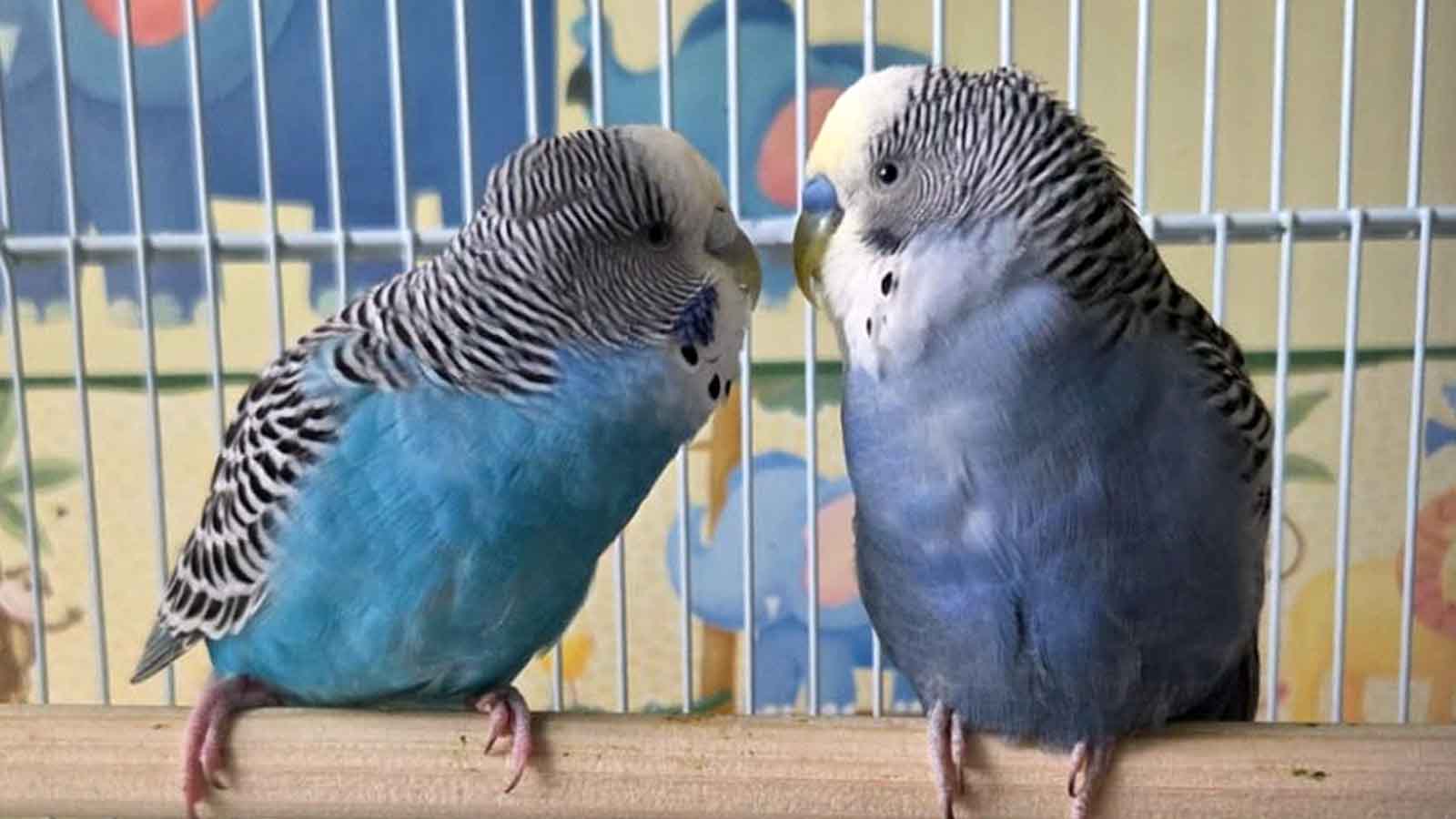
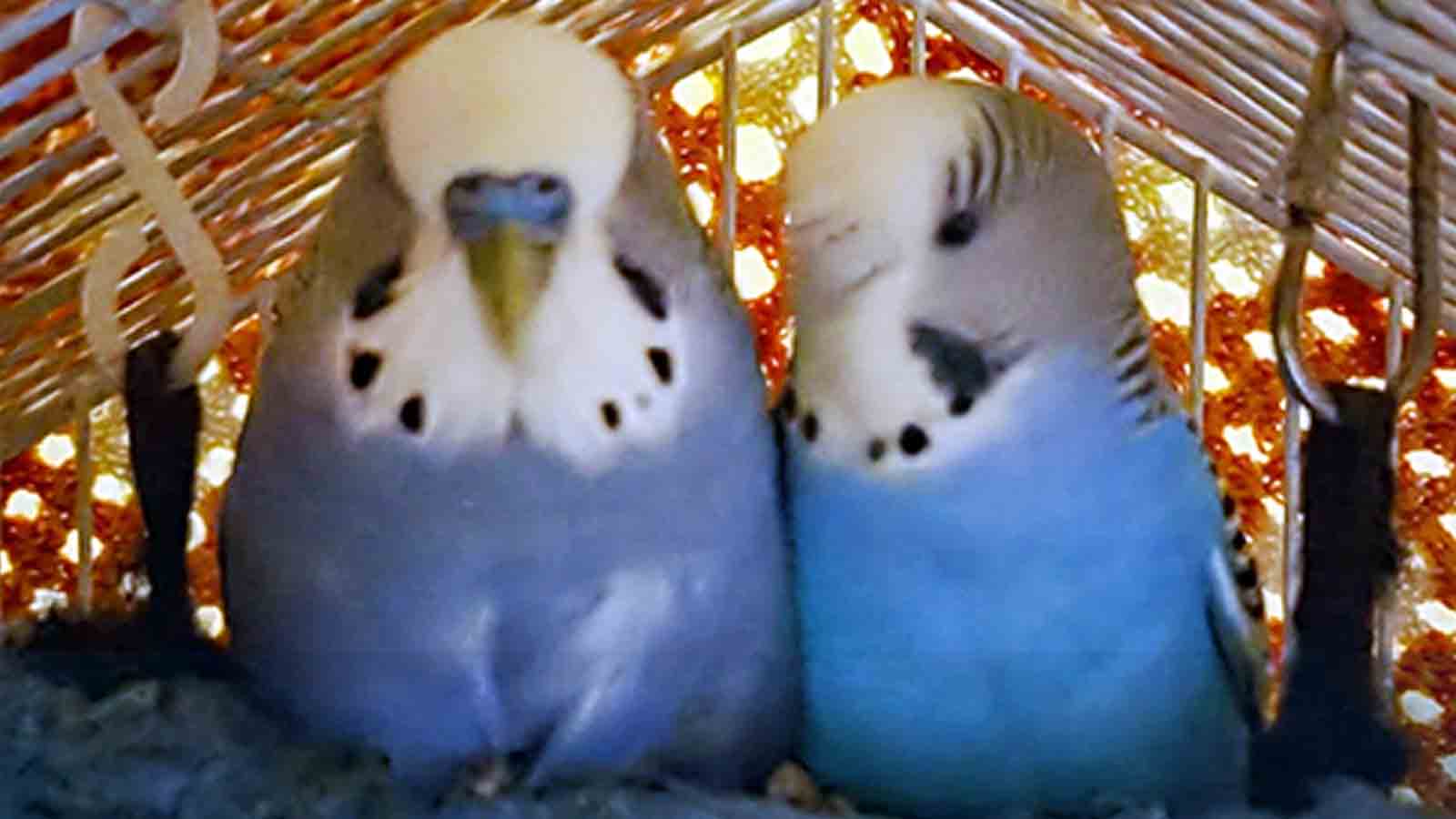
I have pet birds. I watched their life unfold in a small cage that slowly became a universe of instincts, seasons, and quiet lessons. Three survived — two females and one male. Life, it seemed, wanted to multiply. Given the opportunity, it did what life has always done: it expanded.
But expansion was not peaceful.
The two females fought over the nest — fiercely, instinctively — to the point that I had to remove it altogether. Territory. Survival. Continuation. There was no moral argument, no emotional debate. Just raw impulse moving through small, feathered bodies.
When one of the females eventually died of age, something shifted. I put the nest back. The surviving female, even with an injured foot from that earlier fight, laid eight eggs.
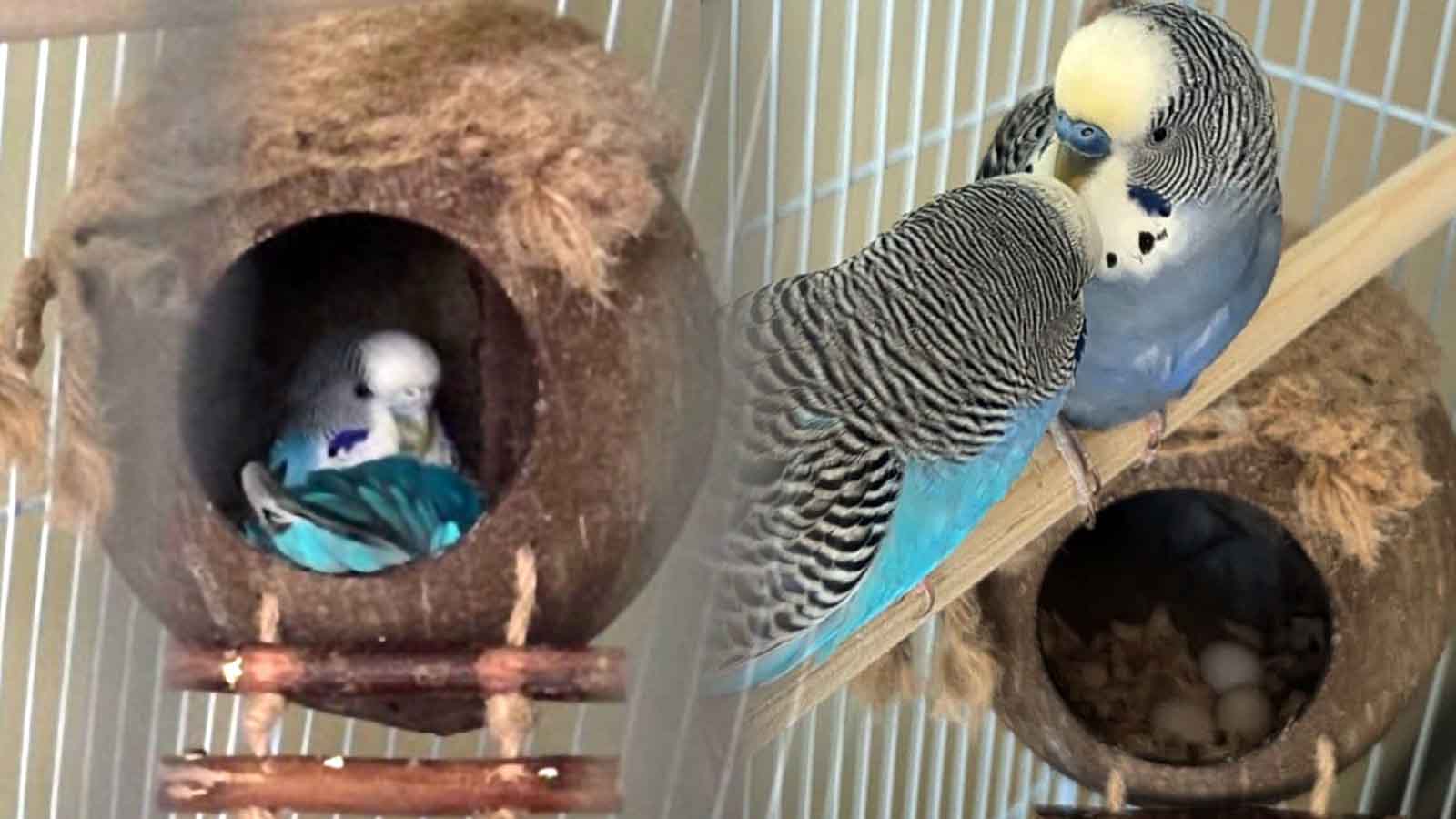
It was hard on her. I could see the strain. But there was no drama in her story. No visible grieving rituals. No collapse into despair over the one who was gone. No existential questioning of fairness. Life continued its rhythm.
Watching them changed something in me.
The Stories We Add
We do not just live in the world — we live in stories about the world.
From childhood fairy tales to social media narratives, from cultural myths to personal memories, stories quietly shape our perspectives. They decide what we call success, what we fear, what we admire, and even what we believe we deserve. Stories are not harmless entertainment; they are architecture. They build the invisible rooms inside which our minds reside.
If a story says productivity equals worth, we worship busyness.
If a story says thinness equals discipline, we glorify deprivation.
If a story says success must be visible, we chase applause over peace.
We rarely question the narrative. We simply inhabit it
Humans rarely allow events to remain events.
We live in narratives.
Where the bird simply responds, we interpret. Where nature moves, we attach meaning. We build entire inner worlds around loss, ambition, competition, survival. Our capacity for storytelling is powerful — it gives us art, culture, empathy — but it also reshapes reality into something heavier than it sometimes needs to be.
Stories shape our perspectives so completely that we begin confusing them for truth.
A fight becomes betrayal.
A death becomes tragedy in cosmic terms.
A struggle becomes personal injustice.
But in the cage, I saw something different. Conflict happened. Loss happened. Life went on.
Not cold. Not cruel. Just rhythmic.
Life Wants to Continue
The birds did not hold ideology about reproduction. They did not attend seminars on parenting. They did not debate readiness. When conditions aligned, life expressed itself.
That same impulse runs through us.
Yet when it comes to our own bodies, we complicate the simplest instincts. Food, rest, hunger — these become arenas of control and identity. A diet becomes a declaration. A personal choice becomes a movement. Soon, skipping a meal cannot simply be listening to your body; it must become intermittent fasting, structured, timed, branded.
Nobody tells us that you can sometimes not eat and sometimes eat more — without building a philosophy around it.
But once named, it trends. And trends demand performance.
And as always, there are outliers. Some take the structure to extremes. Restriction turns rigid. Control becomes obsession. The pendulum swings — sometimes toward cycles of overeating or patterns like bulimia, where the body and mind fall into conflict instead of cooperation.
The body was once instinctive, like the birds.
Now it is managed like a project.
We are not struggling with food as much as we are struggling with the story of food.
Nature Does Not Trend
Observe a tree.
It does not fast for aesthetics.
It does not overconsume to compensate.
It does not compare its growth to the tree beside it.
Plants respond to seasons. Animals respond to hunger. They neither moralize nor market their behaviors. A lion does not create a philosophy around its feeding schedule. A bird does not shame itself for resting.
Nature simply participates.
There is an intelligence in that simplicity. A quiet trust.
The oak tree does not try to become a pine. The river does not attempt to impress the ocean. Life expresses itself fully without self-advertisement.
Perhaps we could learn to just be — not as a performance, not as a brand, but as a state of alignment.
Learning to “Just Be”
Nature does not create drama around what is natural. Sun just shines.
The surviving female bird did not perform resilience. She did not narrate strength. She simply continued.
Plants grow toward light without motivational quotes. Animals rest without guilt. They engage fully in survival and reproduction, yet they do not construct identity from it.
There is an intelligence in that simplicity — a kind of grounded spirituality that predates language.
Perhaps to “just be” is not laziness or indifference. It is participation without over-interpretation.
Spirituality/Religion Is Not Immune to Trends
Even spirituality, which promises liberation from worldly patterns, becomes a subject to ponder.
Meditation becomes optimization. Fasting becomes purity. Silence becomes aesthetic. Ancient teachings become content streams.
Meditation apps. Manifestation formulas. Aesthetic altars curated for photographs. Ancient wisdom reduced to captions.
Spirituality, too, becomes content. There is nothing wrong with structure or practice. But when spirituality becomes another identity to wear — “I am evolved,” “I am conscious,” “I am awakened” — we subtly re-enter the same cycle. Ego repackages itself in softer language.
Even detachment becomes something to show off.
The essence gets lost in presentation.
We turn inward practices outward for validation.
Looking at the Finger, Forgetting the Moon
There is a Zen saying: When a finger points at the moon, the fool looks at the finger.
We live in an age of fingers.
Influencers. Gurus. Brands. Experts. Systems.
We debate the messenger, defend the teacher, criticize the method — and forget to look at what was being
pointed to.
The moon is still there. Quiet. Luminous. Unconcerned with our arguments.
We forget to look up.
We become fascinated with pointers — techniques, personalities, rituals — instead of the simple experience they were meant to reveal.
We forget to look up at the moon because we are studying the finger pointing to it. Teachers, techniques, rituals — they are pointers. Useful, yes. Necessary, sometimes. But not the destination.
Essence vs. Idol
In the Bhagavad Gita, Krishna calls the Gita the essence of the Vedas.
Essence is not commentary.
It is not ritual.
It is not performance.
Essence is what remains when the excess is burned away.
If life itself is one great Vedic havan — a sacred offering — then perhaps the core teaching is this: you are not the ultimate doer. Action happens through you. Birth and death happen. Conflict happens. Continuation happens.
But we often fixate on Krishna — the blue-skinned deity, the divine personality, the iconography — instead of digesting what he is pointing toward.
We look at the speaker.
We analyze the battlefield.
We debate interpretation.
Yet the essence whispers: act, but do not cling. Participate, but do not claim ownership. Offer, but do not grip.
The birds lived this without scripture.
Life moved through them. Not because of them.
To understand that — is to feel light
The Drama We Can Release
Stories shape us. But we can choose which stories to keep.
Nature already knows how to do this. The tree does not need a trend to grow. The river does not need validation to flow.
There is —Just continuity.
This does not mean humans should suppress emotion. Our depth of feeling is part of our beauty. But perhaps we can examine the layers we add — the unnecessary dramatization, the identity we build around every rise and fall.
Maybe wisdom is not becoming less human, but becoming less entangled in the stories that exhaust us.
We can grieve without constructing tragedy as destiny.
We can eat without building ideology.
We can practice spirituality without turning it into status.
We can look at the moon instead of endlessly analyzing the finger.
Returning to Simplicity
“Your birds showed you something profound”: life insists. Quietly. Persistently. Without commentary.
And perhaps the essence — whether of nature, the Gita, or our own breath — is simply this:
Participate fully.
Release the drama.
Let life move.
Perhaps wisdom is not about adding more — more rules, more labels, more identities — but about subtracting the unnecessary narrative.
Underneath all the trends, all the fads, all the spiritual branding, something simple remains:
Life happening.
Breath moving.
The sacred is ordinary.
And maybe the essence — whether of the Vedas, the Gita, or existence itself — is not something to analyze endlessly, but something to quietly live.

![[ India Today ] Ohio senator JD Vance thanks wife, a Hindu, for helping him find Christian faith](https://hinduvishwa.org/wp-content/uploads/2024/06/us-senator-jd-vance-reveals-how-his-hindu-wife-usha-helped-him-find-his-christian-faith-image-re-272530504-16x9_0-120x86.webp)