

A standalone short story from the novel “360° VISION” narrated from the perspective of a tulsi plant on a middle-class balcony, the story explores themes of sacrifice, moral blindness, family economics, and quiet witness. When Avinash, the sole earning member of a struggling household, sells his eyesight for twelve crore rupees to secure his family’s future, the material transformation that follows stands in stark contrast to his emotional abandonment. As the family prospers, the man who paid the price becomes invisible—mirrored by the withering tulsi plant that once received daily prayers.
Rooted in Indian cultural symbolism yet universal in its ethical questions, The Tulsi Plant examines how love becomes transactional, devotion erodes under prosperity, and true vision often belongs to those society overlooks. The story speaks to contemporary anxieties around economic pressure, care ethics, and the commodification of the human body, while remaining intimate, restrained, and deeply human.
I remember when my leaves were green.
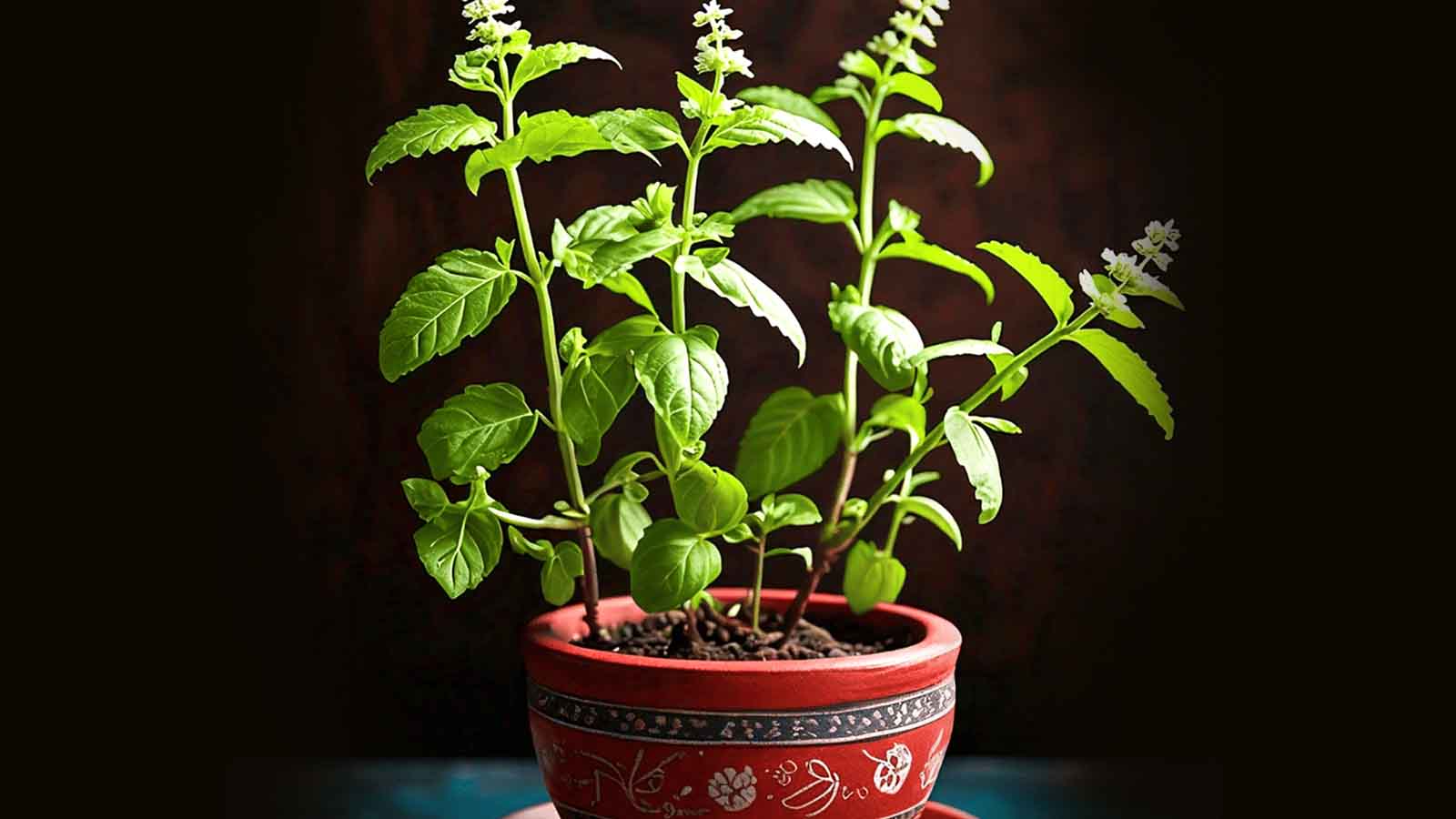
Sumitra would water me every morning, dipping her fingers into my soil to check if I was thirsty. She would talk to me—like prayers to the gods, but addressed to me. “Tulsi Ma, protect my household,” she would say. “Keep my husband healthy, guide my children.”
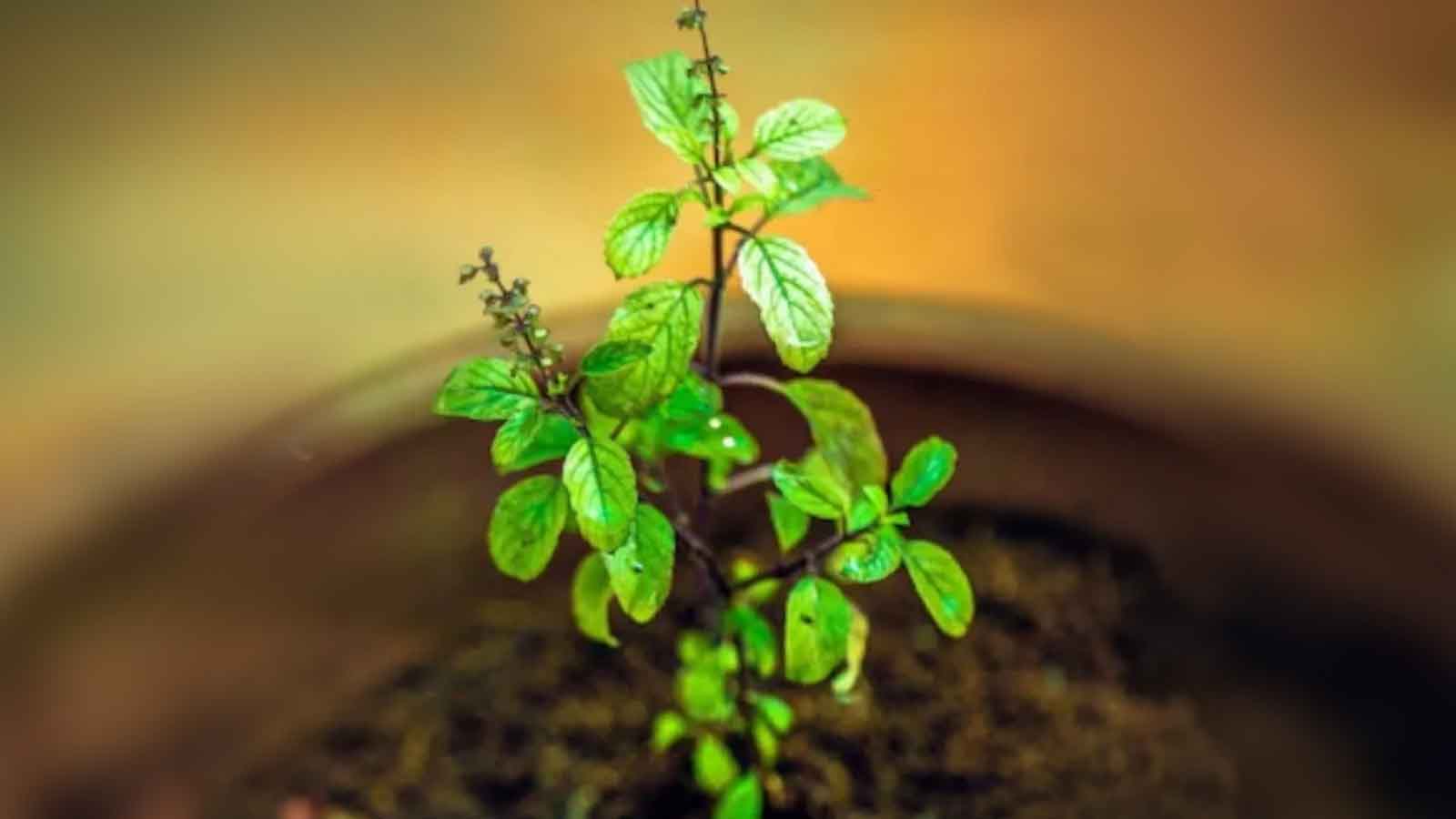
I am no goddess. I am just a plant—in an old clay pot, on a crumbling balcony in Behala. But I can see. I have always seen.
Avinash was the soul of this house.
I knew him by his footsteps—in the evenings when he returned from office, his shoes growing heavier on the stairs, as if each step was harder than the day before. But on the roof, he would transform. He would stand in the night air, watching Kolkata’s lights spread into the distance, and the weight on his shoulders would lift, just a little.
He never watered me—that was Sumitra’s job. But sometimes, passing by, he would pause, touch one of my leaves, like greeting an old friend.
“Tulsi,” he said once, alone, “did you know I used to write poetry?”
I didn’t know. But that night, the light in his eyes—I recognized it. It was the light of memory, of grief for something lost.
The change came slowly, the way yellow creeps into green leaves—first at the edges, then spreading inward. Sumitra’s watering became irregular. Sometimes two days late, sometimes three. Her prayers grew shorter, then stopped altogether. She would look toward me but not see me—her eyes elsewhere, where numbers and bank notices circled endlessly.
I would hear them talk—the walls are thin, and in the night’s silence, sounds travel.
“Father’s medicine prices have gone up.”
“Abhijit’s loan installment?”
“Ananya’s college fees?”
“Where will it come from?”
These questions hung in the air of the house, unanswered, like my withering leaves—still clinging, but lifeless.
I will never forget that night.
Avinash came to the balcony late, when everyone else was asleep. In his hand was a black cloth. He tied it over his eyes.
At first I thought it was a game, some strange nocturnal ritual. But then he began to walk—slowly, hands extended, like a blind man. He bumped into walls, stumbled over chairs, but didn’t stop.
He was learning darkness.
He was preparing himself for something I didn’t understand then, but I felt a tremor in my roots—as if an earthquake was coming from beneath the soil.
Then one day, he was gone.
He left that morning as he did every day—office bag on shoulder, white shirt, silent. He didn’t return that evening. Nor the next day.
When he came back, he could no longer see.
Where his eyes had been, there were white bandages. In his hand was a white cane. In his pocket, a check—for twelve crore rupees.
Sumitra didn’t cry. Abhijit and Ananya stayed in their rooms, doors closed. Pranab—Avinash’s father—sat by the window, something in his eyes I hadn’t seen before: understanding. As if he knew this day would come, just not when.
The money came, and with the money came change.
But this change was not for Avinash.
Sumitra renovated the kitchen—new marble, new cabinets. Abhijit joined a research program, his future bright. Ananya began dreaming of studying in Switzerland.
And Avinash? He sat in a dark room, alone. No one spoke to him. No one held his hand to walk. The people for whom he had sold his eyes had forgotten him—the way people forget old furniture, a broken clock, a dying plant.
Like me.
Now my leaves are yellow.
Some have fallen, the rest hang on—dried, brittle, trembling in the wind. Sumitra doesn’t water me anymore. She’s busy—choosing new curtains, deciding on sofa colors. My pot is covered in dust, my soil cracked.
But I can still see.
I see Pranab, who sits alone by the window, a sharpness in his eyes the others lack. He understands what has happened. He knows that this marble countertop, this new television, this dream of Switzerland—everything costs a man’s eyes.
I see the street dogs who still come to the roof at night, waiting for Avinash. He used to feed them—scraps of bread, leftover rice, whatever he could save. The dogs knew his footsteps, his scent. Now they come and wait, but he doesn’t come anymore.
I see Karim—the old beggar who lives on the street corner, on his cardboard bed. Avinash used to feed him too, quietly, telling no one. Now Karim waits and waits, not understanding why his friend no longer comes.
And I see the Laddu Gopal.
The small brass statue, sitting in the prayer room. Sumitra doesn’t adorn him now, doesn’t light lamps before him. Dust has gathered on the statue—only his eyes still shine, still watching.
We both see—he and I. Two silent witnesses, two forgotten sentinels.
He sees from inside the house. I see from outside.
Both of us see how love loses to money, how family becomes a transaction, how a man sells himself for those he loves—and they exchange that love for marble countertops.
Last night, Avinash came to the balcony again.
He couldn’t see me—he can’t see anything now. But he searched for me. Hand extended, fingers touching air, he searched.
When his finger touched my leaf—that dried, dying leaf—he stopped.
“Tulsi,” he said, very softly. “You’re dying too, aren’t you?”
I couldn’t answer. I’m just a plant.
But he seemed to hear my answer. He smiled—a small, broken smile.
“We’re both the same,” he said. “Both of us—worth caring for as long as we’re useful, then worth forgetting.”
He stood for a long time, his finger on my leaf. Then he turned back, slowly, touching walls, into the darkness.
I don’t know how much longer I will live.
My roots are drying, my stem turning brown. Perhaps tomorrow, perhaps the day after, Sumitra will throw me away—pot and all, with the garbage. She’ll buy a new plant, maybe plastic, that needs no care.
But before I die, I want to say one thing.
I have seen a man sell himself.
I have seen love turned into transaction.
I have seen those who can see become blind, and the one who lost his sight see most clearly.
In this Kolkata, in this year 2030, eyes cost twelve crore rupees. But the cost of seeing? No one is willing to pay that.
This morning, the sun rose.
Light fell on my yellow leaves, warm, golden. Avinash will never see that light—not ever.
But I will see for him.
As long as I have even one leaf left, as long as I have even a little life, I will see—for him, in his place, in his memory.
Because that is what Tulsi does—bear witness. Stay sacred. Remember.
Even when everyone else forgets.
![[ India Today ] Ohio senator JD Vance thanks wife, a Hindu, for helping him find Christian faith](https://hinduvishwa.org/wp-content/uploads/2024/06/us-senator-jd-vance-reveals-how-his-hindu-wife-usha-helped-him-find-his-christian-faith-image-re-272530504-16x9_0-120x86.webp)